
“Interior protection” sounds like one service until you look around a cabin. There may be cloth seats, carpet, leather or synthetic upholstery, hard plastics, and several different finishes within arm’s reach.
The useful question is which surfaces you want to protect and what you want that protection to help with. A family vehicle with cloth seats has different priorities from a vehicle whose owner is concerned about light-colored leather. We can plan for either without treating the cabin as one uniform material.
Cleaning gives us the starting point.
Existing dirt and stains need assessment before protection is applied. Preparation is part of the quote, including cleaning and drying where the selected treatment requires it.
Cleaning also reveals what is wear rather than dirt. The RAV4 detail in the Journal is an example: the fabric was cleaned, and existing wear remained visible. A protective treatment should not be sold as a repair for that wear.
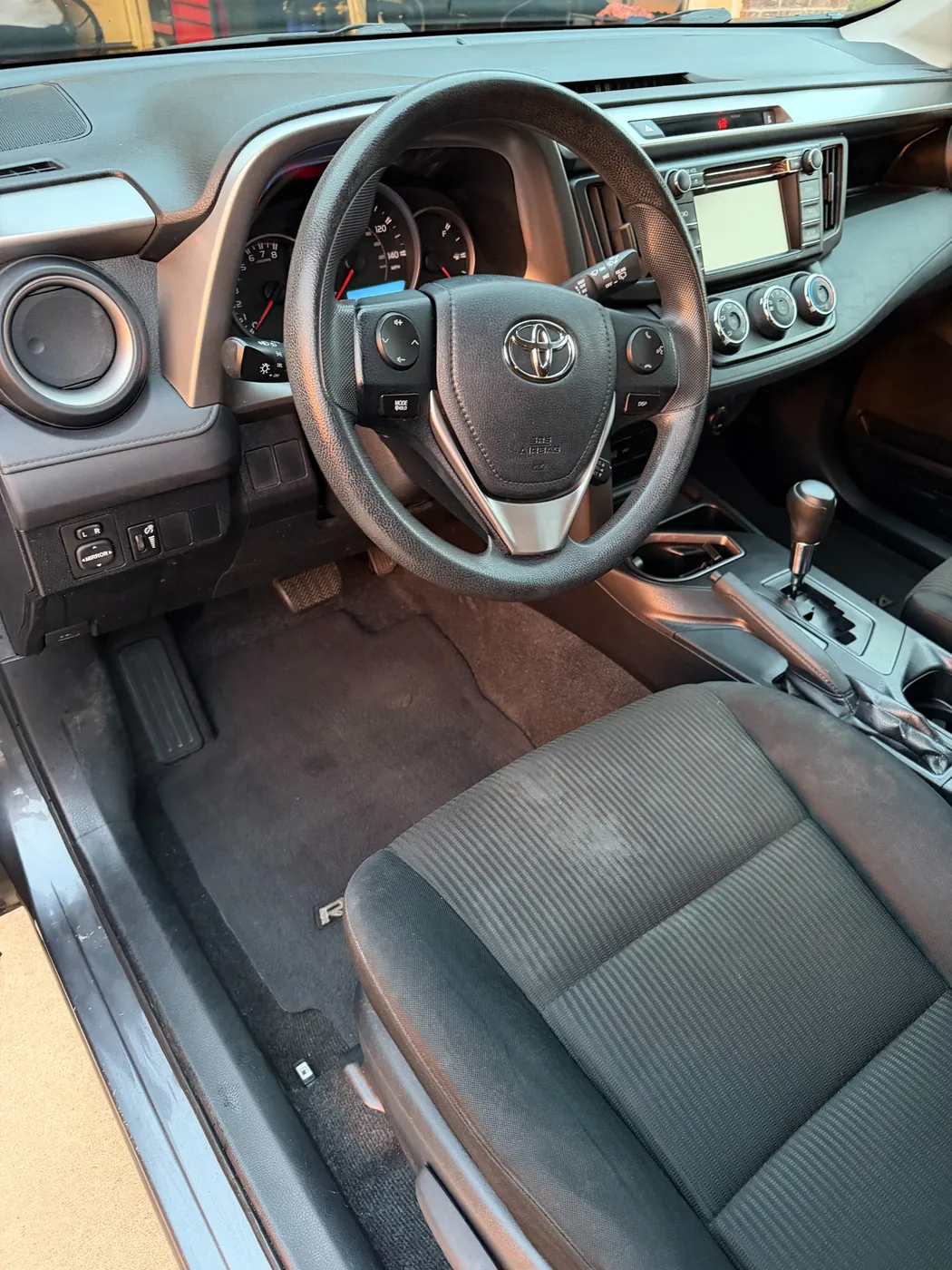
Fabric protection for cloth, carpet, and mats.
Fabric protection is selected for suitable cloth seats, carpets, and mats. The material needs the cleaning and drying required by the product before treatment. We can cover one seating area or include more of the cabin in the plan.
A cloth seat, the carpet below it, and the plastic console beside it are different surfaces. I identify the material and choose the treatment for that surface rather than treating everything within reach the same way.
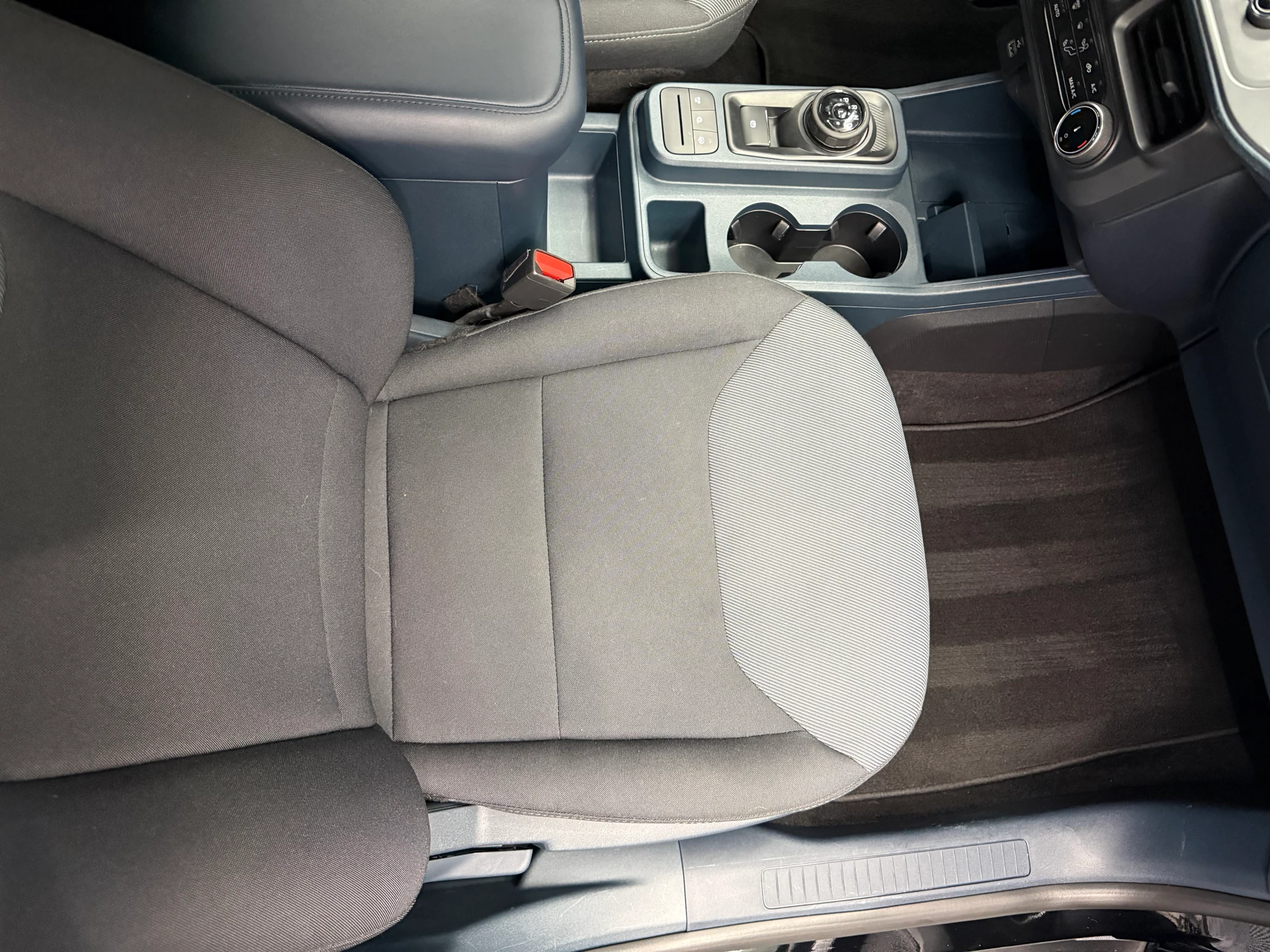
Interior ceramic protection for compatible surfaces.
Interior coatings may be appropriate for compatible leather, vinyl, or plastic surfaces. I check the product instructions against the material and finish, including any areas that should remain untreated.
For example, System X describes separate products for leather, vinyl, and plastic and for textiles. DIY Detail also gives its interior coating specific application instructions and exclusions. The product label matters more than the broad phrase “ceramic interior.”
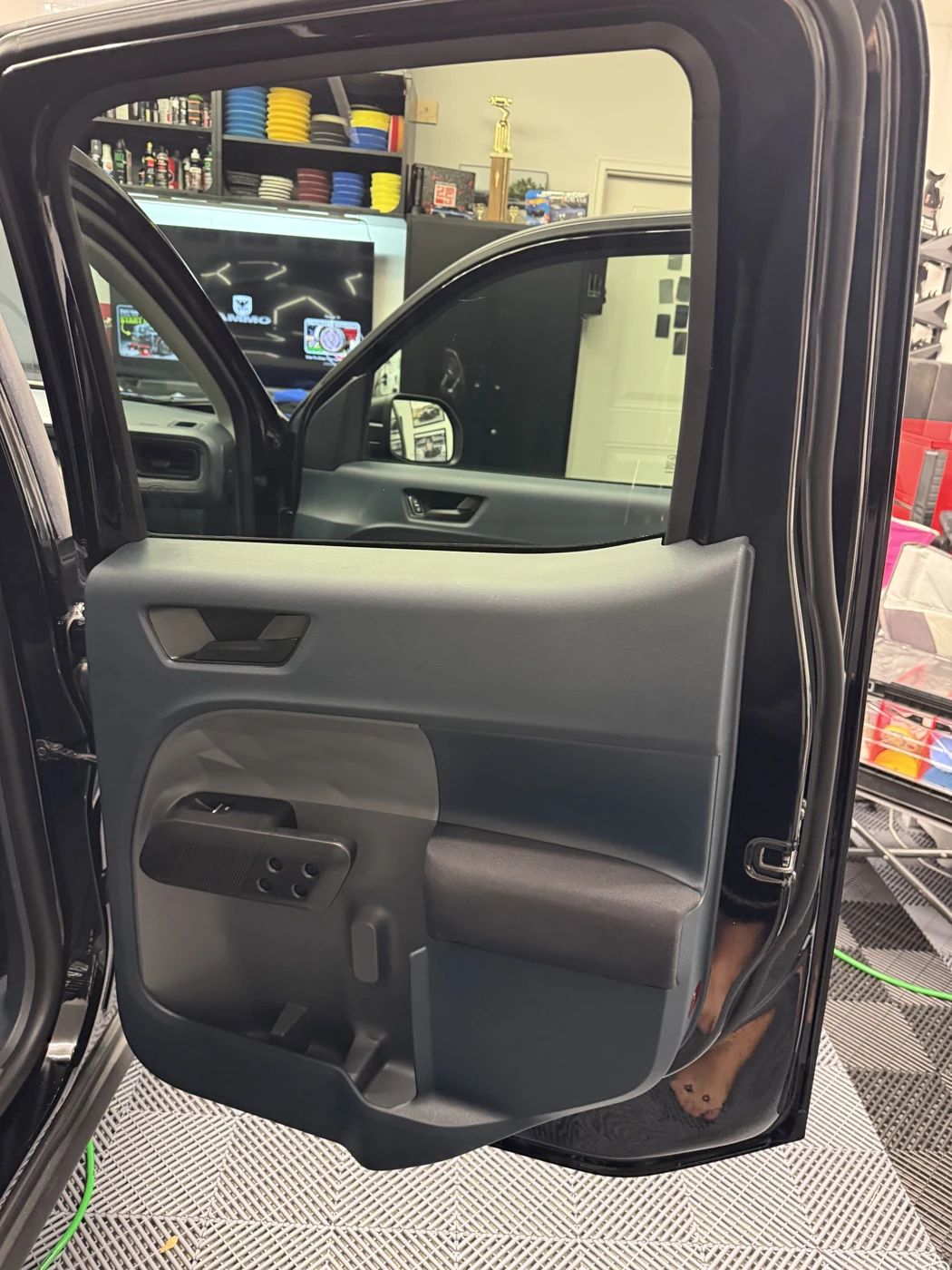
Agree on the areas that matter.
You can ask about one seating area, the carpets and mats, or a wider interior protection plan. I’ll identify the surfaces included, the preparation required, and anything that should remain untreated.
The finished-interior photographs on this site document cleaning. They are not a claim that every surface pictured received a coating. When protection is part of your appointment, your plan will say so.
Keep the expectations practical.
Suitable protection can make some everyday cleanup easier. It does not make a cabin stain-proof or remove the need to deal with a spill promptly. You will receive care instructions for the treatment actually applied.
Tell me what happens in your vehicle: children, pets, work gear, long trips, or simply a seat you want to keep looking good. That is a better place to start than choosing a bottle by its name.
Protect the surfaces you use.
Fabric Protection and Interior Ceramic Protection are available as focused appointments in Oxford, Mississippi. We’ll identify the surfaces, agree on any cleaning needed first, and choose a treatment for the spills and everyday use you want help managing.